
Even in the Most Extreme Conditions…
Viktor Frankl, an Austrian psychiatrist, understood the essence of life like no one else.
He survived the Holocaust.
He saw humanity at its most inhumane.
And he discovered something crucial.
Even in the deepest despair of the concentration camps,
meaning was the difference between surviving and giving up.
Even in the most inhumane conditions, life could still have meaning.
But only if you knew what you were living for.
According to Frankl, life is about the search for meaning, and actualizing it.
Not about pleasure, as Sigmund Freud believed (whom he personally knew).
Not about power, as Nietzsche claimed.
But about something greater.
A purpose beyond the noise of everyday life.
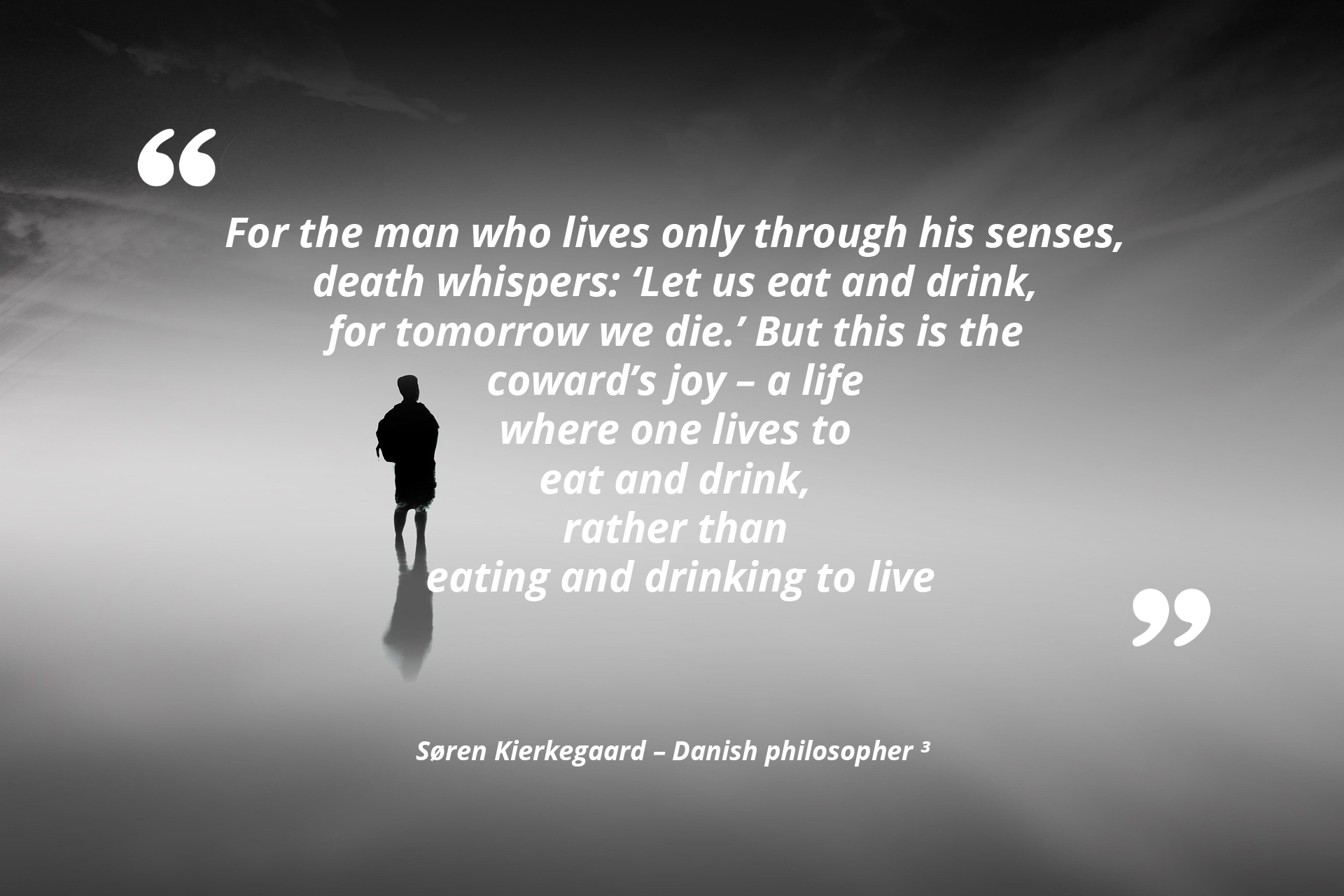
The Choice Is Yours
Frankl saw that people without meaning fell into emptiness and frustration.
They got lost in work, distractions, and surface-level pleasures.
Not because they really wanted to, but because it was easier than facing themselves.
This happens, Frankl believed, when people no longer find meaning.
The deepest struggles in life aren’t just psychological or medical. At their core, they are existential.
Whoever recognizes the search for meaning in others as well, transcends the frustration of existence.
Frankl, as a firsthand witness to suffering, concluded that even in the most absurd, painful, inhumane circumstances, life still holds meaning, if you look for it.
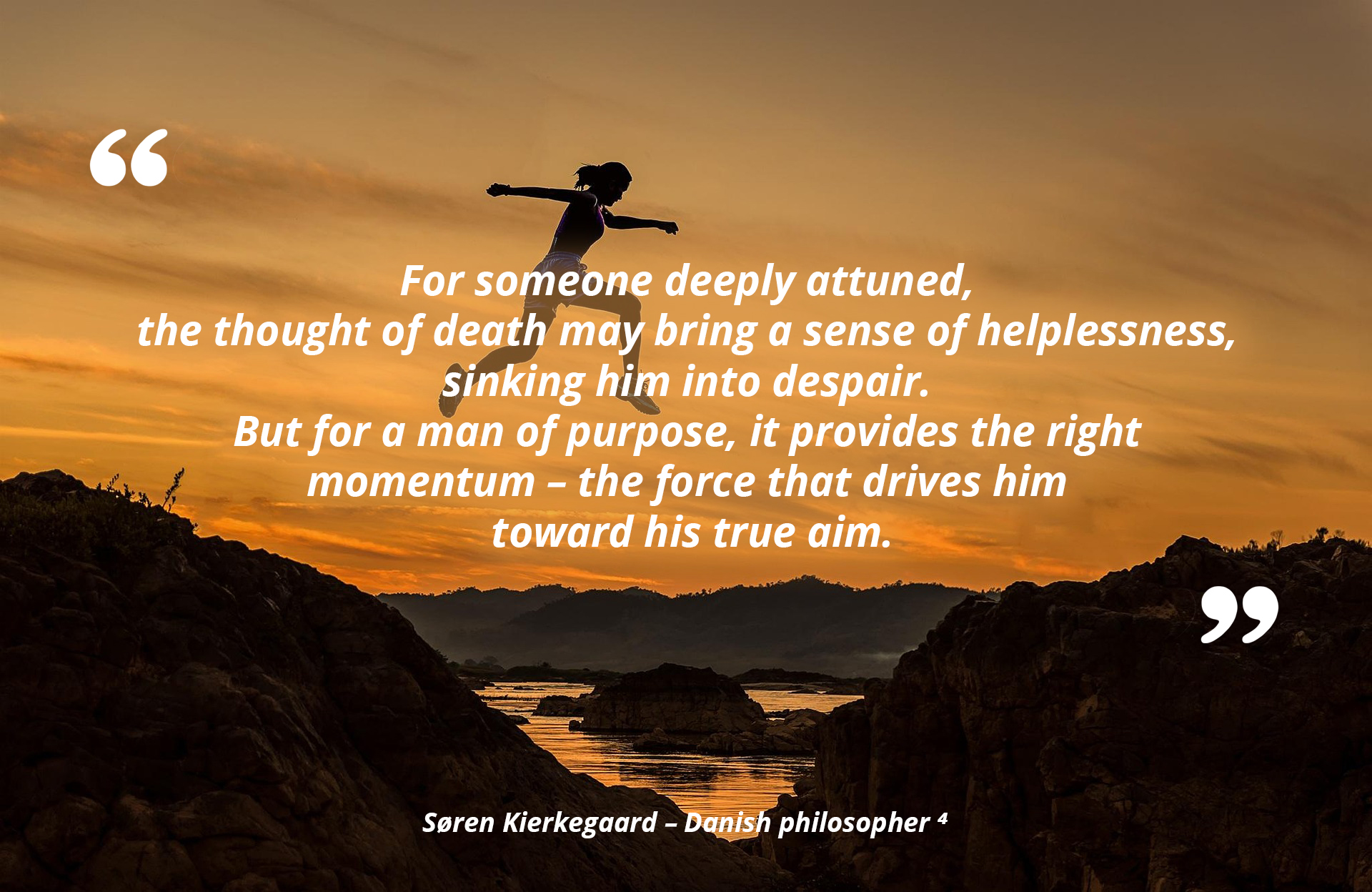
Are You Drifting, Or Moving Forward?
If you don’t aim higher, you drift.
You get lost in endless work, social media, the next dopamine hit.
A cycle of distractions.
A loop that never ends.
It numbs you. Feels good for a moment. Until the emptiness kicks in again.
Frankl saw this happen every day.
People drowning in work, avoiding the search for meaning.
How often do we see it around us?
People afraid to face themselves, who bury their search for purpose in noise, distractions, and routines.
Until something happens.
Until they are forced to stop.
Stop Putting It Off, Life Won’t Wait
Frankl saw that people clung to the familiar.
Because taking action is terrifying.
Change means risk.
But staying the same, isn’t that just as dangerous?
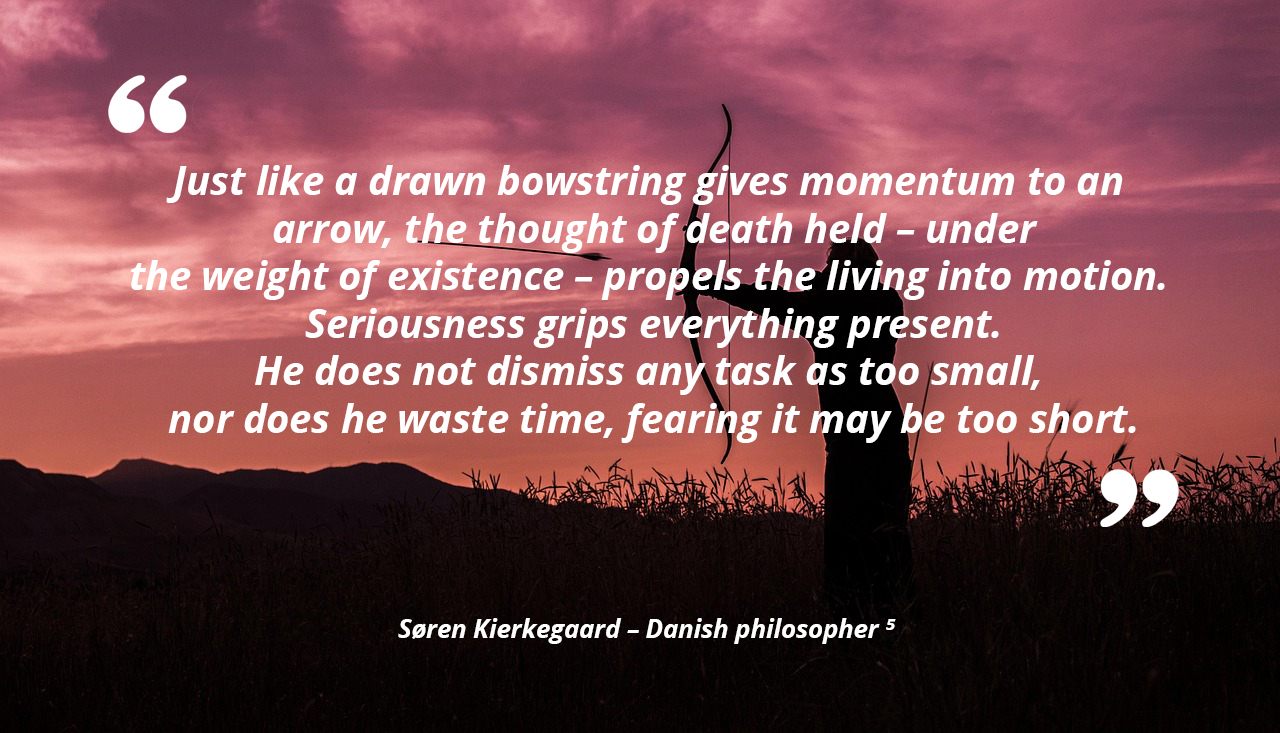
As long as you keep putting it off, you live under the illusion of control.
But the truth is:
You control nothing, except what you choose to do now.