
You might already have an answer. I would stay with it long enough to ask what, exactly, needs to change.
Before you clear the calendar
What would I do differently if I knew today was my last day?
I would look at the next few hours: who I want to see, what I still want to say, and what I could leave unfinished. Then I would ask what deserves to stay. Making dinner for someone could belong on that list. So could the walk I keep cutting short.
Picture the walk you keep cutting short. Same street, same person beside you. You get to the corner where you usually turn back, and this time you keep going. That extra block is the kind of thing you would not skip on your last day.
By walking a little farther together, you make more time for the person beside you.
What would I stop giving my time to?
Perhaps there is a favor you keep agreeing to, then resenting all evening. Or an argument you reopen just to have the last word. I would pick one specific thing and ask why it keeps taking up space in my day. An honest refusal might leave that evening free.
Out loud, that refusal is a very ordinary sentence: I can't take that on today.

The words after no
In a 2005 graduation speech at Stanford University in California, Steve Jobs, the American entrepreneur who cofounded the computer company Apple, described his morning question: would he want to do what he had planned if this were his last day? Repeated "no" answers told him something needed to change.
Does one disappointing morning mean I need a different life?
One disappointing morning would give me little to go on. I would look for something that keeps happening. A day spent helping someone move might be tiring and still deserve its place. A commitment you wish you could escape every time it comes around gives you a different question to consider.
What, specifically, are you saying no to?
The work itself. The hours it takes. The person you become while doing it. Those answers ask different things of you. Some need a conversation. Some need a plan that takes time.
Graduation on the horizon
A 2008 experiment offers a smaller ending to look at.
What did the students actually do?
At the University of Virginia, 67 students who enjoyed college sat in a lab and wrote about what they valued in their time there. Some were told graduation was near, others that it was far off, and a third group simply described an ordinary weekday. For the next two weeks they kept writing at home and answered the same set of questions as they went.
What changed when the ending seemed closer?
The questions were plain ones. Did you see friends, are you planning to, was there something you were grateful for. The researchers counted how often someone answered yes. That count shifted in all three groups, and it climbed most in the group picturing graduation as near. One thing to know about the count: a yes about a plan weighed as much as a yes about something already done. So the number says how much those things were on their minds, not that more of them actually happened.
That is a finding about students approaching graduation. The question I take from it: would I give something I value more room if I pictured its ending?
The dinner you would still make
Some of what you would keep is not dramatic at all. Suppose your answer includes cooking. You would still stand at the stove, still ask whether someone wants more. Afterward, two bowls would be drying beside the sink, because you ate together.
It could look very much like an evening you have already had.
Can an ordinary responsibility belong in my answer?
Yes. Imagine making that meal for someone you want to be with. The shopping, the cooking and the dishes come with the evening. You might still choose all of it. I would ask who a responsibility is for, and whether I want to keep giving them that part of my time.
Afterward there are two bowls in the drying rack. That is what is left of an evening you spent eating together.
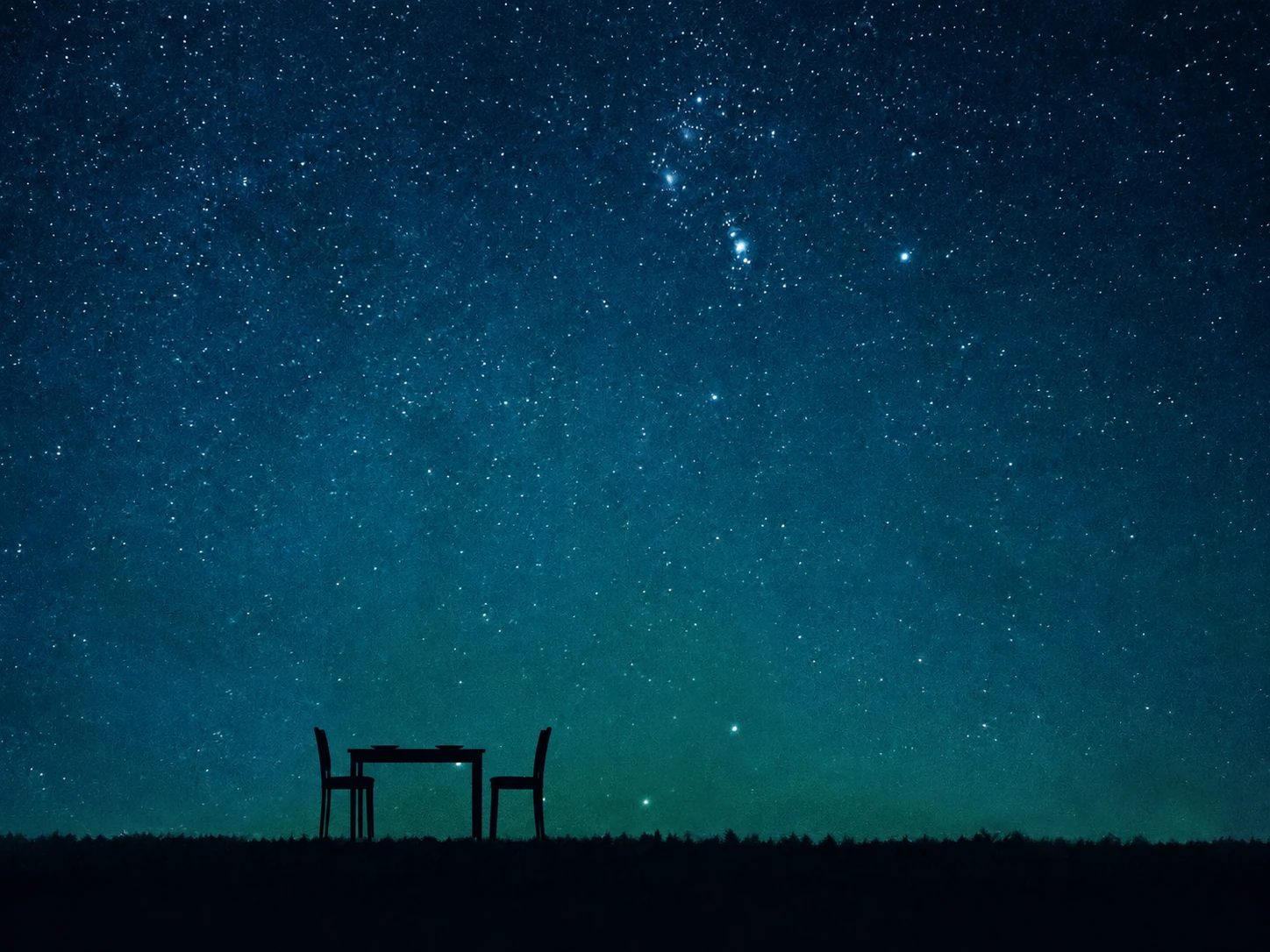
There is room here for an answer as plain as keeping tonight much as it is. Sitting a little longer. Asking another question. Letting the person across from you finish their story.
You can also look at a good evening and notice how rarely you leave space for it.
Let the reply take its time
What would I do differently if I knew today was my last day? That is the question I would bring into the Last Hour Experience, the guided audio journey through your imagined final hour. I would take time to think through what I would want to change about my day. What would I still want to do with the people in my life? A whole hour to consider the day I might otherwise hurry through.
Questions people ask
Should I live every day as if it were my last?
I would use the question to look at how I spend a day, while still making plans for the years ahead. There are people to care for and things worth building slowly. Something can take a long time to finish and still deserve your attention today.
What if I changed almost nothing?
Then let that answer stand. You might want the same breakfast, the same work, the same company afterward. Look closely enough to say what you would keep and why. The question leaves room for recognizing a life you want to keep living, including its ordinary parts.
What if the person I want to see is far away?
A visit may take planning. You can ask when they are free, send a voice message, or make time for a call without doing anything else at the same time. Distance is a real part of the answer. Work with the ways you can reach each other today.
What if my answer means a major change?
Write down what you want to change and what doing so would involve. Leaving a job or moving deserves thought about money, timing and the people affected. You can take an answer seriously today and give the decision the time and preparation it needs.
Sources
The prepared text of the 2005 graduation speech by Steve Jobs, the American entrepreneur behind the computer company Apple, published by Stanford University in California. The morning question appears in the passage about death.
The original report of the college writing experiment by Jaime Kurtz, a psychology researcher in the United States, and the study's published summary in the U.S. National Library of Medicine's research catalog.