
Scroll back to last summer. The beach, the long dinner, the little church on the square, all there in sharp color. And yet the days themselves feel thin, as if someone else lived them and sent you the pictures. You have proof that you went. What you can’t find is the moment.
Thirty works of art in four rooms
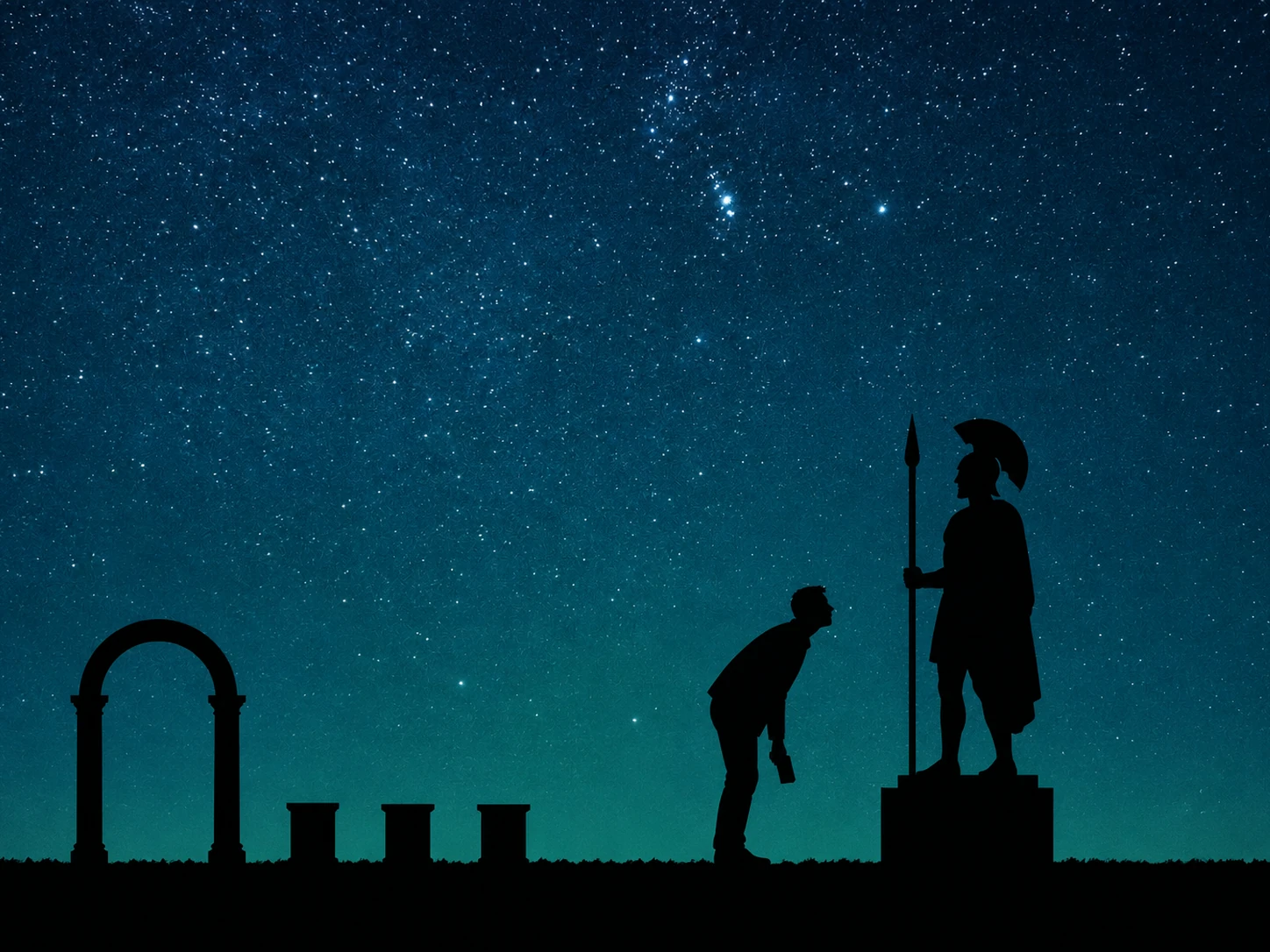
For a study published in 2014, Linda Henkel, a psychologist at Fairfield University in Connecticut, took 27 college students on a tour of the art museum on her campus, one student at a time. Each of them got a list of 30 works: paintings, sculptures, pottery, jewelry, mosaics. They read the name of a work out loud, walked to it with a researcher and looked at it for 20 seconds. Then came an instruction. For half of the works it was: take a photo with this digital camera. For the other half: keep looking for another 10 seconds.
They knew they would be asked about the art later. The next day they came back for the test. Which works did you see? Which ones did you photograph? Then came questions about details, like this one about a warrior figure from China’s Tang dynasty, the line of emperors that ruled more than a thousand years ago: what did he hold in his hands? A shield, a spear, his helmet, or nothing?
For the works they had only looked at, the students got 64 of every 100 detail questions right.
For the works they had photographed, 55.
They also had more trouble recognizing a photographed work as one they had seen at all.
Why can’t I remember my vacation even though I have all the photos?
Because taking a picture can quietly hand the job of remembering to your phone. Henkel’s reading of her results was that once people had photographed a work, they could let it go from memory and count on the camera to keep it for them. A trip works the same way. You see the view, raise your phone, take the shot and walk on, and somewhere in that motion you treat the moment as stored. The image ends up in your camera roll.
Much less of the moment ends up in you.
Henkel then tested a stricter version. In a second experiment, 46 students first got a full 25 seconds with each work and only then took a photo, so taking the photo never cut their looking short. Photographing whole works still cost them details. For some works, though, they had to zoom in on one part, such as the warrior’s hands. Those works they remembered as well as the ones they had only looked at, including the details they hadn’t zoomed in on.
The close look came at a price. Those students remembered less well which room a work had been in, as if the attention they would otherwise have given to the room around it had gone to the detail instead.
When you pick the shot yourself
Henkel’s students photographed what they were told to. On a real trip you choose, and that choice turns out to matter. Alixandra Barasch, then a researcher at New York University who studied how people experience things, ran a study with three colleagues in a museum exhibit of Etruscan objects, made by the people who lived in central Italy before Rome took over. Nearly 300 people, most of them about 20, went through it on their own with an audio guide in their ears.
Half of them left their phones with a research assistant. The other half kept them, with one instruction: photograph whatever you like, at least ten pictures. Most took fewer. Right after the tour, everyone answered questions about what they had seen in the cases and what they had heard on the guide.
This time the photographers came out ahead on what they saw.
They got about 67 of every 100 questions about the objects right, compared with about 60 for the people without a camera. Across the team’s studies, the photographers even did better on things they had not photographed. What they heard on the guide in the museum, the photographers remembered about as well as the others. The museum visit was one of four studies the team ran, though, and across all four, people with a camera remembered a little less of what they heard.
I read the two studies together as one finding about attention. Taking pictures changes where you look. Choosing a shot can sharpen your eyes, and lining up a quick shot of something you are only half watching can let it slip away. What you can’t photograph at all is the rest of the trip: the noise of the street, what your daughter said at dinner, the smell of the place.
Taking it for someone else
There is one more thing you do with a phone in your hand, and it starts before you press the button. You think about who will see the picture. Barasch looked at that too, with Gal Zauberman of Yale University and Kristin Diehl of the University of Southern California. In one of their studies they went to the bronze statue of Rocky, the boxer from the movies, at the foot of the steps of the Philadelphia Museum of Art, where tourists wait in line for their turn to pose. They asked people in line whether the photo they were about to take was for themselves or to share. After the photo, they asked how much they had enjoyed it.
Across that study and the team’s others, people who took photos to share enjoyed the moment less, and were less likely to recommend it to a friend, than people who took photos for themselves. The researchers point to one specific worry: how you will come across. While you are still standing there, part of you is already in front of an audience.
That is the gap between your phone being there and you being there.
You can stand at the most beautiful spot of the whole summer and spend it checking the angle, your smile and the light, for people who aren’t there.
How can I be more present on vacation?
Leaving your phone at home isn’t the answer. Barasch’s photographers saw more, and pictures are good for looking back. Earlier research that Henkel describes found that going through your photos later helps people bring an experience back. A few habits follow from these three studies.
- Look first. Give the view twenty seconds before you reach for your phone, the way Henkel’s students did.
- Choose one detail. A hand on a statue, the tiles on a floor. In Henkel’s second experiment, zooming in on one part kept the memory of the whole work intact.
- Take it for yourself. Decide later what you share, and post it in the evening or once you’re home. Barasch and her colleagues suggest moving the sharing to after the experience.
- Listen on purpose. A photo has no sound. Every so often, put the phone away and notice what you hear.
One hour with nothing to capture
Every summer has a handful of days you will want to have really been there for, and nobody gets an endless supply of summers. In the Last Hour Experience, the guided hour I made, there is nothing to photograph and nobody to show it to. You spend roughly an hour by yourself, headphones on, inside an imagined last hour of your own life. Toward the end, you write a farewell letter to someone of your choosing. What you take from it is whatever you noticed while you were in it. If you could go back to one day of last summer without your phone, which day would you pick?
Questions people ask. One of them is me.
Should I stop taking photos on vacation?
No. In the museum study led by Alixandra Barasch, then at New York University, people who photographed whatever they liked remembered more of what they saw than people without a camera. The cost showed up elsewhere: in what they heard, and, in Linda Henkel’s experiment at Fairfield University, in works students photographed whole because they were told to. A few chosen pictures after a real look serve you better than many quick ones.
Does looking at old vacation photos help you remember?
It can. Linda Henkel, the psychologist who ran the museum tour study at Fairfield University in Connecticut, sums up earlier research in which looking back at photos helped people bring an experience back. You can only bring back what you took in at the time, though. From a photo of a view you barely looked at, you get the view back and little of the day.
Does posting vacation photos on social media spoil the trip?
It can take something away while you are there. In studies by Alixandra Barasch and her colleagues, including one with tourists at the Rocky statue in Philadelphia, people who took photos in order to share them enjoyed the experience less than people who took them for themselves, partly because they were thinking about how they would come across. The researchers suggest sharing afterward instead, once the experience is over.
How do I spend time with family on vacation instead of photographing it?
Take the family photo, then put the phone away for what comes after. Look at the people you are with for a while before you frame them, and listen to what they say, since you can’t photograph that. Pick one moment a day to photograph on purpose and let the rest of the day go unrecorded.
Sources
Point-and-Shoot Memories: The Influence of Taking Photos on Memory for a Museum Tour, by Linda Henkel, a psychologist at Fairfield University in Connecticut, published in 2014 in Psychological Science, a leading psychology research journal. The tour of 30 works, the 20 seconds of looking, the warrior question, the 64 versus 55 correct details, the second experiment with zooming in, and the summary of earlier research on looking back at photos all come from there.
Photographic Memory: The Effects of Volitional Photo Taking on Memory for Visual and Auditory Aspects of an Experience, by Alixandra Barasch, Kristin Diehl, Jackie Silverman and Gal Zauberman, published in Psychological Science in 2017. The Etruscan exhibit with the audio guide, the 67 versus 60, and what people heard.
How the Intention to Share Can Undermine Enjoyment: Photo-Taking Goals and Evaluation of Experiences, by Alixandra Barasch, Gal Zauberman and Kristin Diehl, published in 2018 in the Journal of Consumer Research, a research journal about how people buy and experience things. The finding that photos taken to share lowered enjoyment, the worry about how you come across, and the advice to share afterward.
How the intention to share photos can undermine enjoyment, a short piece by the same three researchers on the website of New York University’s business school, which describes the study with tourists at the Rocky statue in Philadelphia.