
Maybe you know a version of this. The deadline passes, the kids are away for the weekend, the vacation starts. Instead of relief you get a tight chest and a mind that keeps racing. Why does anxiety show up right when you finally get to stop?
A schedule that went quiet
I came across her in a column by Froukje Jackson, a psychologist who sees clients in Groningen, in the north of the Netherlands. Jackson calls her Saar. She is 27 and in the fourth year of her PhD, the multiyear research project that ends in a doctorate. She is on schedule, with several papers published and the last one nearly done.
Saar has always moved forward by keeping busy. In high school she stood out for how much she fit into a week: lots of sports, a part-time job, friends, outings with her boyfriend. In college she added a student club and more sports teams, and liked it that way. A full calendar forced her to plan well. A focused block of work, maybe a short nap, then off to the next fun thing.
Then her life went quiet.
Friends graduated and moved away. Her boyfriend is living abroad for a while. That she can’t enjoy the quiet irritates her to no end. She is used to getting very far with minimal, efficient effort, with little room for doubt or lounging around.
Just floor it.
And now, Jackson writes, Saar can’t get her body to settle down.
Why do I feel anxious when I finally have nothing to do?
Because being busy was doing two jobs at once. It moved you forward, and it filled every gap where something else could have come up. When the schedule empties, the second job stops too. You are still running at the old speed, and in the quiet you start to notice whatever you were covering up with all that rushing: a worry, a doubt, a question you never had time for. That is how I read Saar’s story. The anxiety comes from the change of pace, and from what you finally hear.
Fifteen minutes alone in an empty room
A team led by Timothy Wilson, a psychologist at the University of Virginia, measured how quickly that happens. In 2014 they published the results in Science, one of the world’s leading research journals. In the first experiments, college students handed in their phones and anything they could write with. Then each of them sat alone in a bare room for 6 to 15 minutes, with one instruction: entertain yourself with your thoughts.
More than half found it hard to concentrate, and nearly nine in ten reported drifting off into other thoughts. When some participants tried the same thing at home, about a third admitted they had cheated, by getting up or doing something else.
The last experiment went further. Participants first felt a mild electric shock, rated how unpleasant it was, and said whether they would give up some money to avoid feeling it again. The researchers kept only the people who said they would. Next, each of them sat alone for a quarter of an hour, with a button that delivered that same shock.
Of the 18 men, 12 pressed it at least once. Of the 24 women, 6 did.

Other researchers went back to the same numbers and concluded that, on average, people found the time somewhat enjoyable, so plenty of people are fine alone with their thoughts. The study mainly shows how fast many people reach for something to do, even something unpleasant, once the room is empty.
When your body keeps working
Saar’s complaint was physical. She did everything right, she told Jackson. She showed up on time, worked through the online exercises Jackson had set up for her, and talked it over with friends. And still she couldn’t get the stress out of her body.
Ad Vingerhoets, a psychologist at Tilburg University in the Netherlands, studied a version of that in 2002. He and two colleagues showed 1,893 Dutch adults, chosen to reflect the country as a whole, a short description of people who get sick on weekends or on vacation. Then they asked whether they recognized themselves in it. About 3 in 100 did, men and women alike.
The researchers called it leisure sickness.
Next they questioned 114 people who had it and 56 who didn’t. The most common complaints were headaches, fatigue, sore muscles and nausea, and on vacation often a cold or the flu. Both groups enjoyed their free time about equally. They differed most in how heavy their workload felt, how responsible they felt for their work, and how hard they found it to relax. The people with leisure sickness themselves pointed to the switch from work to time off.
A survey like this shows where the trouble tends to start: at the moment of switching, in people who like their time off as much as anyone else.
The opposite of what got her here
Jackson then asks Saar a careful question. When she takes an honest look at herself, is she really giving this everything she has? Or is it more like studying just enough to pass a class, enough to check it off but without her full attention?
Saar thinks about it. She is very preoccupied with it, she says, but if she is honest, that is mostly in her head. In practice she hasn’t changed much.
“I’m used to getting further by working harder,” she says. “This asks the opposite of me. That I learn to stand still.”
How do you learn to stand still after years of being busy?
Saar managed her recovery the way she managed everything, on time and efficiently, and the stress stayed. In her last line I find a simple place to start: notice the moment you reach for the button. In the Virginia room it was a real one. In your life it might be your phone, the laundry, an email that could wait until Monday. Leave it alone for a few minutes and see what you were about to drown out.
An hour without a next thing
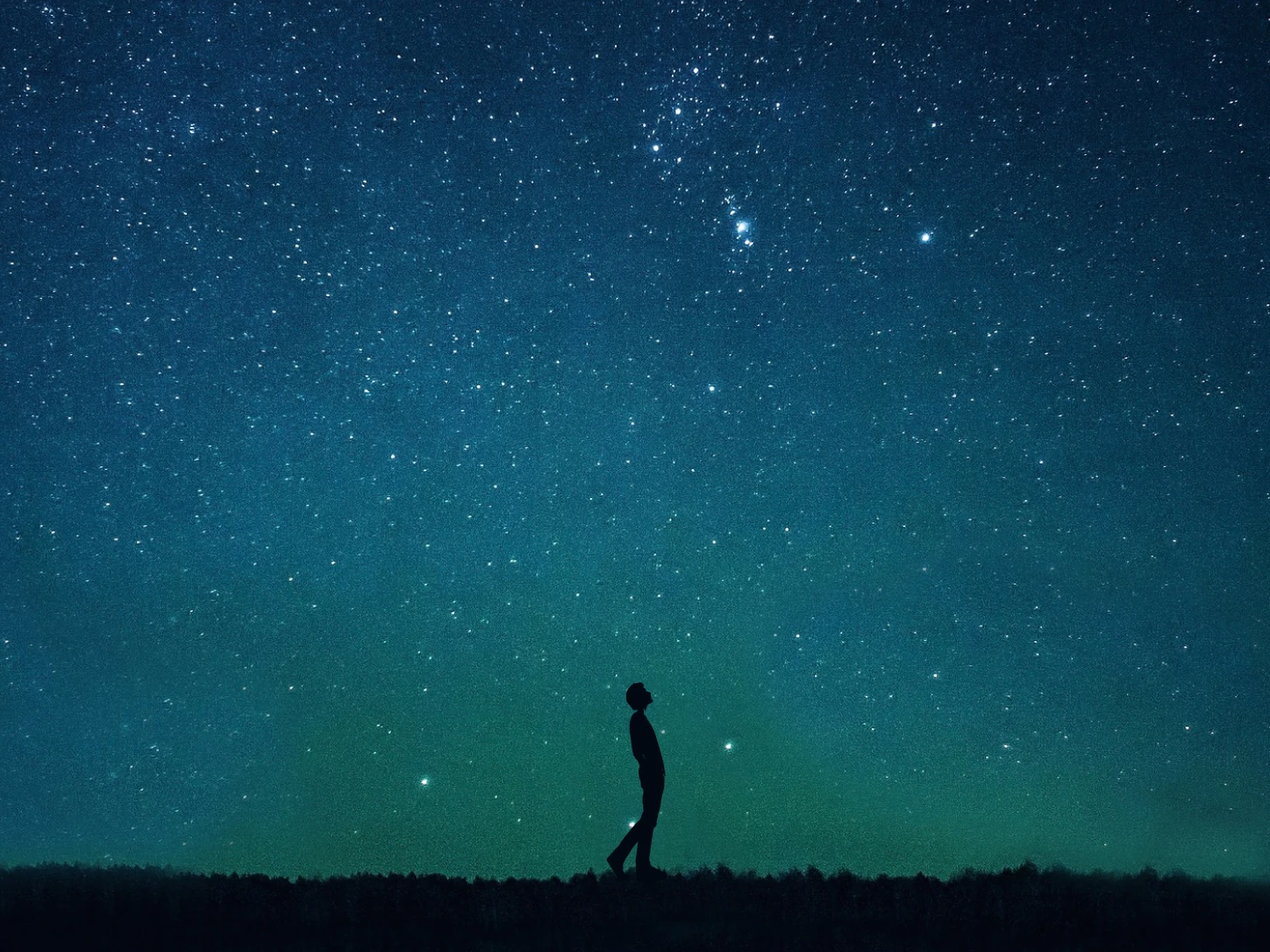
In the Last Hour Experience, you spend about an hour alone, with headphones on, as if it were your last. During that hour there is nothing to plan, finish or answer. For someone who has always moved forward by keeping busy, that can be the hardest part, and it is also the point. You can’t get busy, so you hear what you kept out with all that busyness. If you knew how few empty afternoons you had left, would you still try to fill the next one?
Questions people ask. One of them is me.
Is it normal to feel anxious on vacation or on a day off?
Many people know the feeling, and a few even get sick. In a 2002 Dutch survey of 1,893 adults, about 3 in 100 recognized themselves in a description of people who fall ill on weekends or on vacation. Compared with people who didn’t, they found it harder to relax and felt more weighed down by work. They didn’t enjoy their free time any less.
Why do busy people find it so hard to sit still?
Partly because staying busy works. It gets things done, and it keeps uncomfortable thoughts at a distance. In a 2014 experiment at the University of Virginia, 18 of 42 people left alone for a quarter of an hour pressed a button for a mild electric shock, even though they had said beforehand that they wanted to avoid it. Sitting still takes practice, and most busy people have had very little.
When should I see a doctor about anxiety on my days off?
If the restlessness lasts for weeks, ruins your sleep, or starts to keep you away from people and plans that matter to you, bring it up with your doctor. A strange first weekend after a hectic stretch is something a lot of people go through.
Sources
Froukje Jackson, In de luwte, a column about her client Saar. The Dutch title means in the lee, a spot sheltered from the wind. Jackson is a psychologist in Groningen. The column is in Dutch, and the quotes in this article are translated.
Timothy Wilson and colleagues on sitting alone with your thoughts, published in Science in 2014. The free version is on PubMed Central, the online archive of the U.S. National Library of Medicine. The bare room, the experiment at home and the electric shock button.
Kieran Fox and colleagues, “Is thinking really aversive?”, a reply by researchers at the University of British Columbia in Canada, published in Frontiers in Psychology, a psychology research journal. Their reading that people found the time somewhat enjoyable on average.
Ad Vingerhoets and colleagues on leisure sickness, published in 2002 in Psychotherapy and Psychosomatics, a medical journal about the link between mind and body. The survey of 1,893 Dutch adults and the comparison of 114 people with leisure sickness and 56 without.